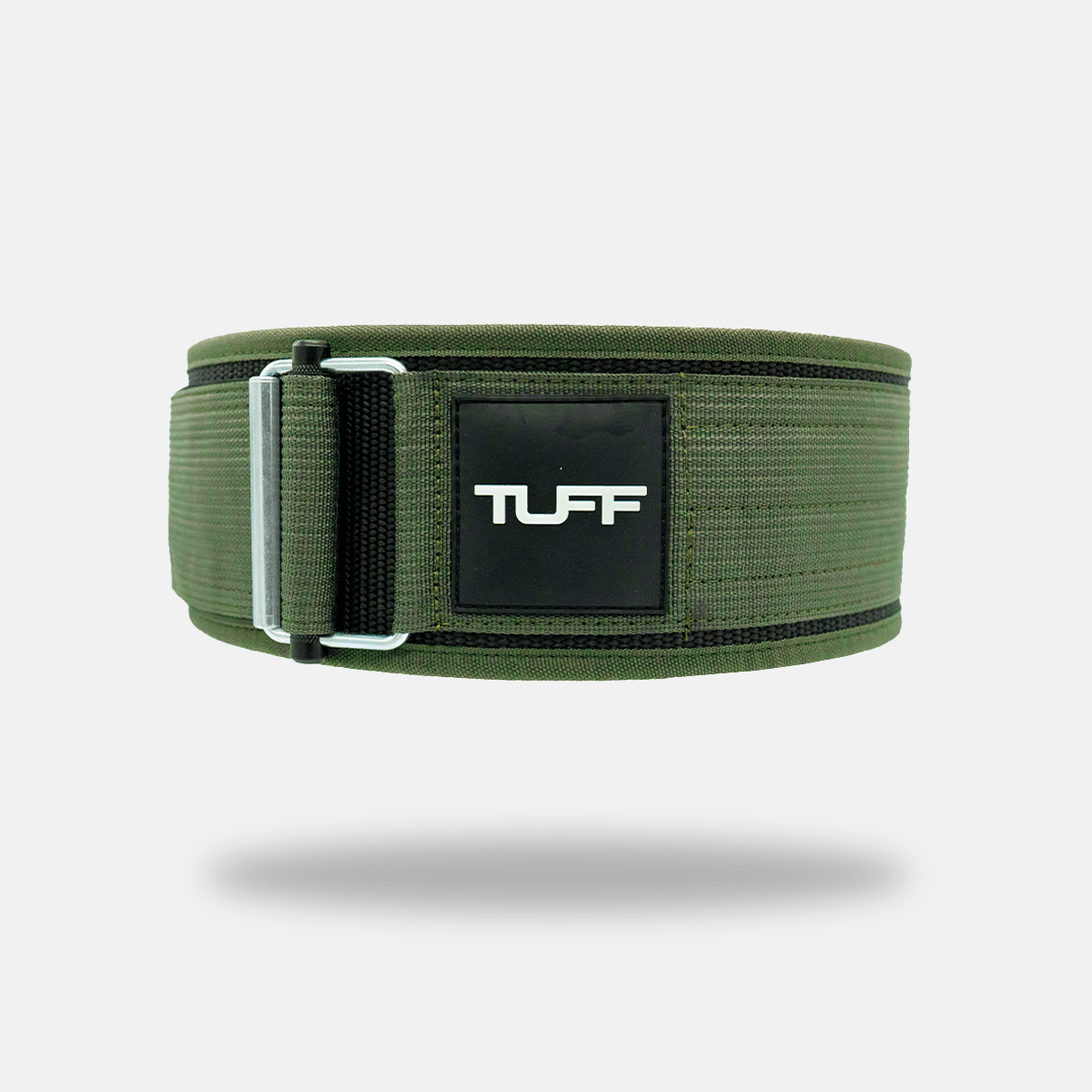
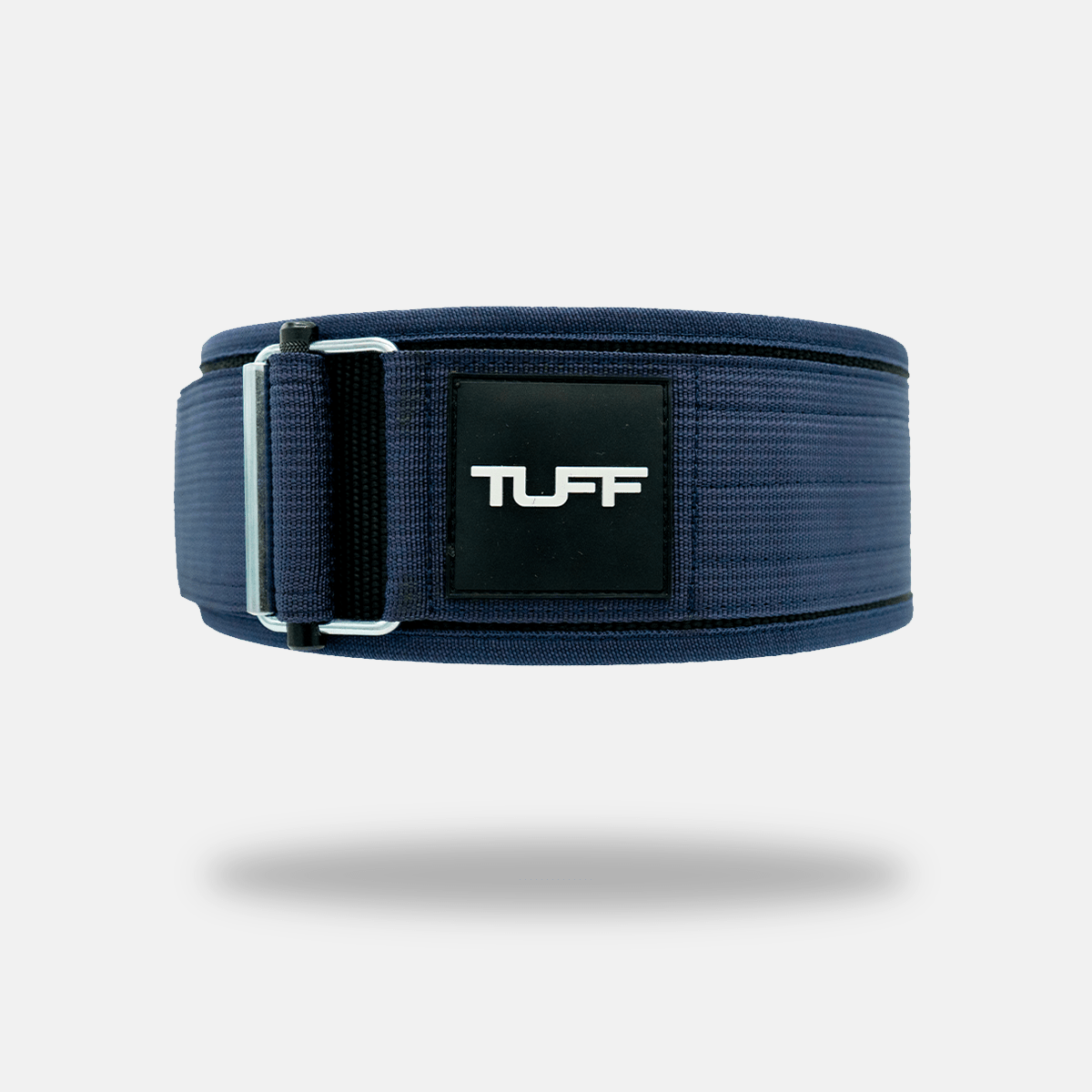
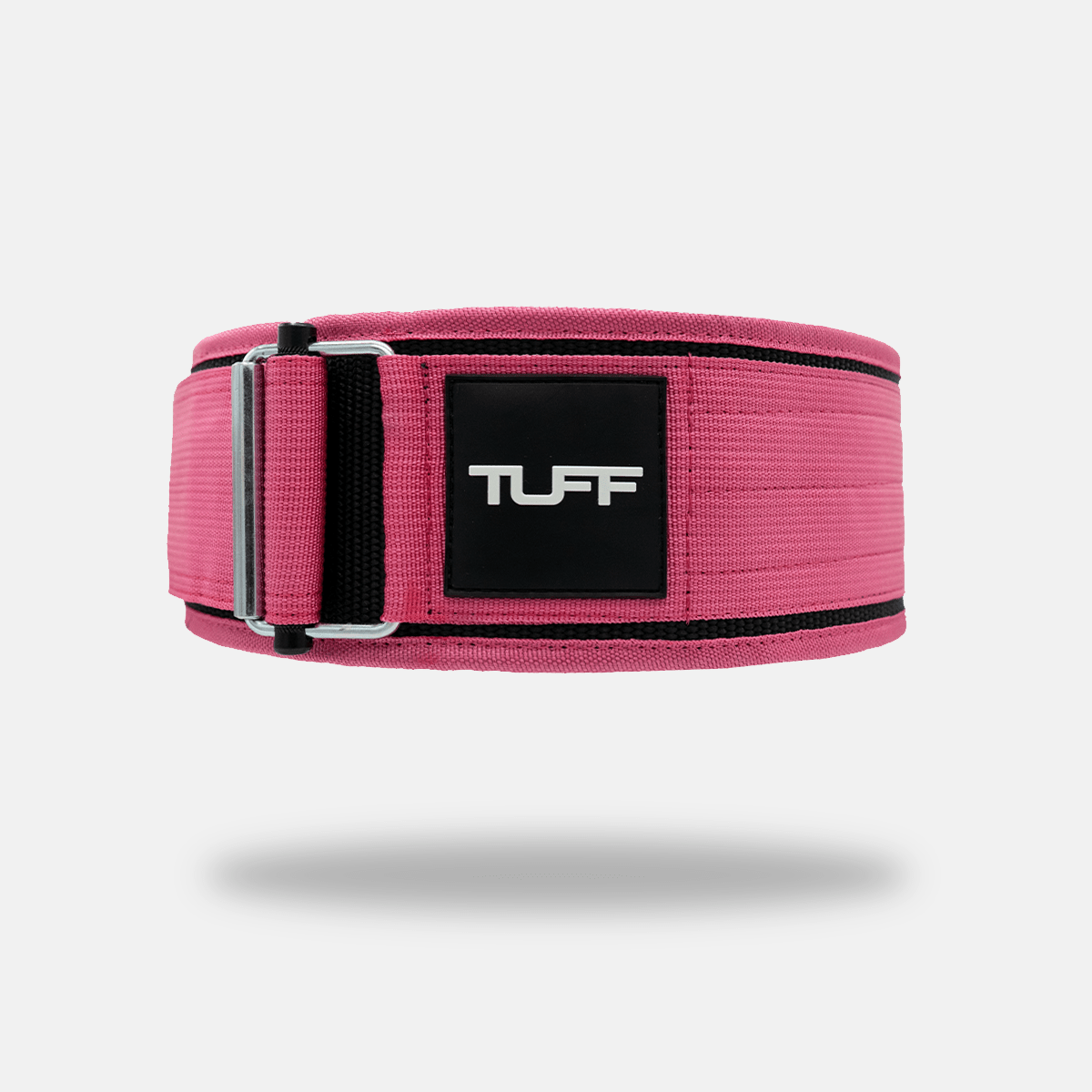
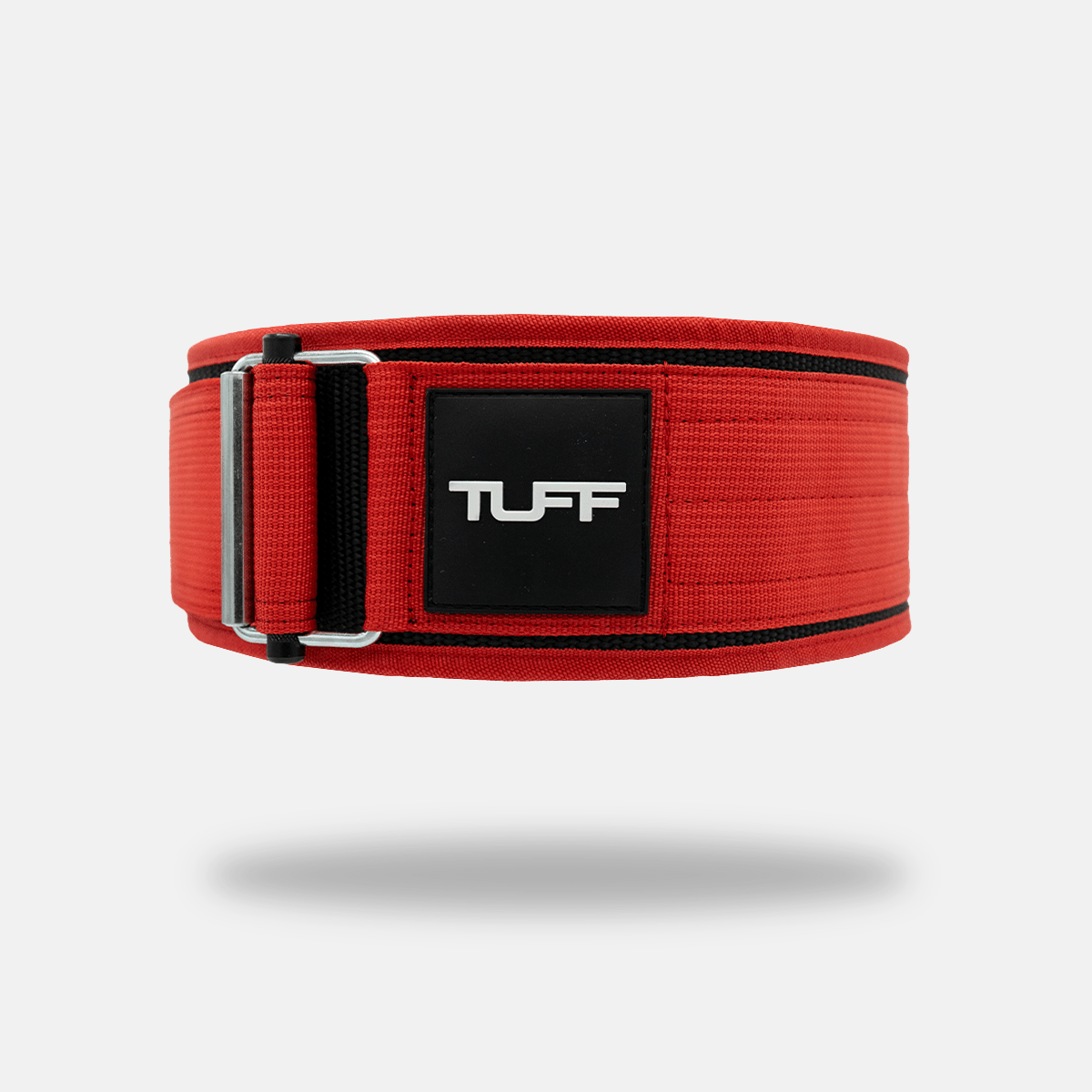
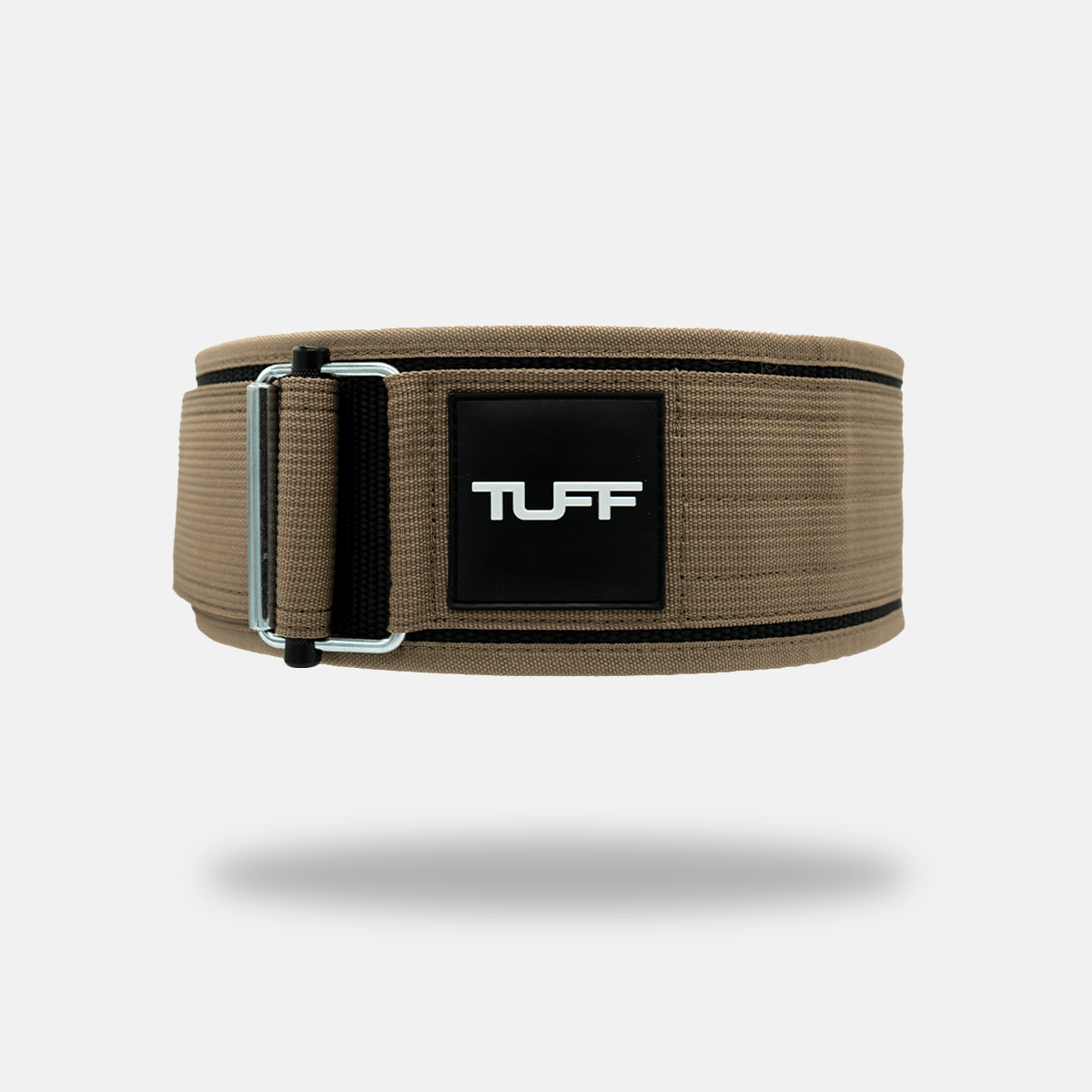
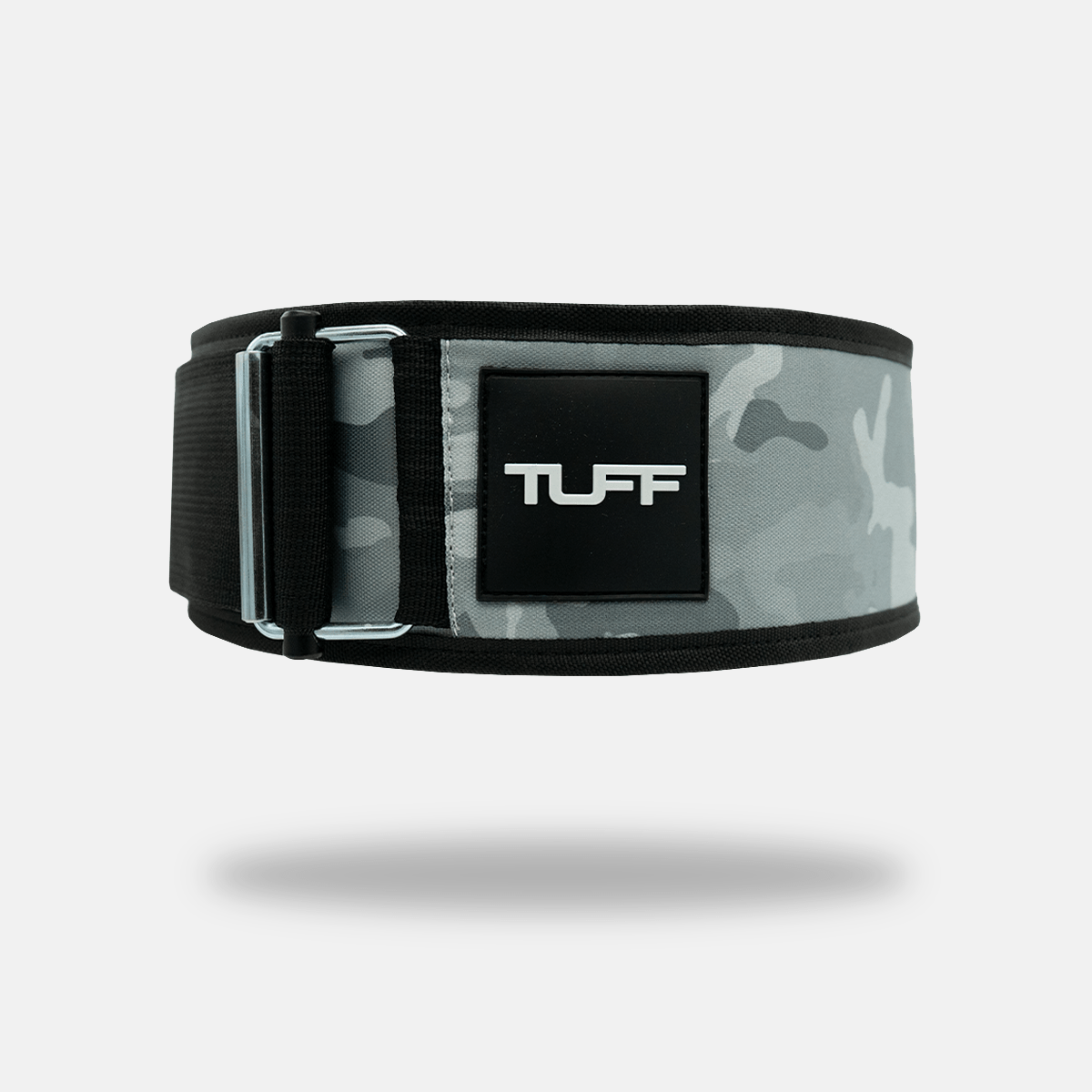
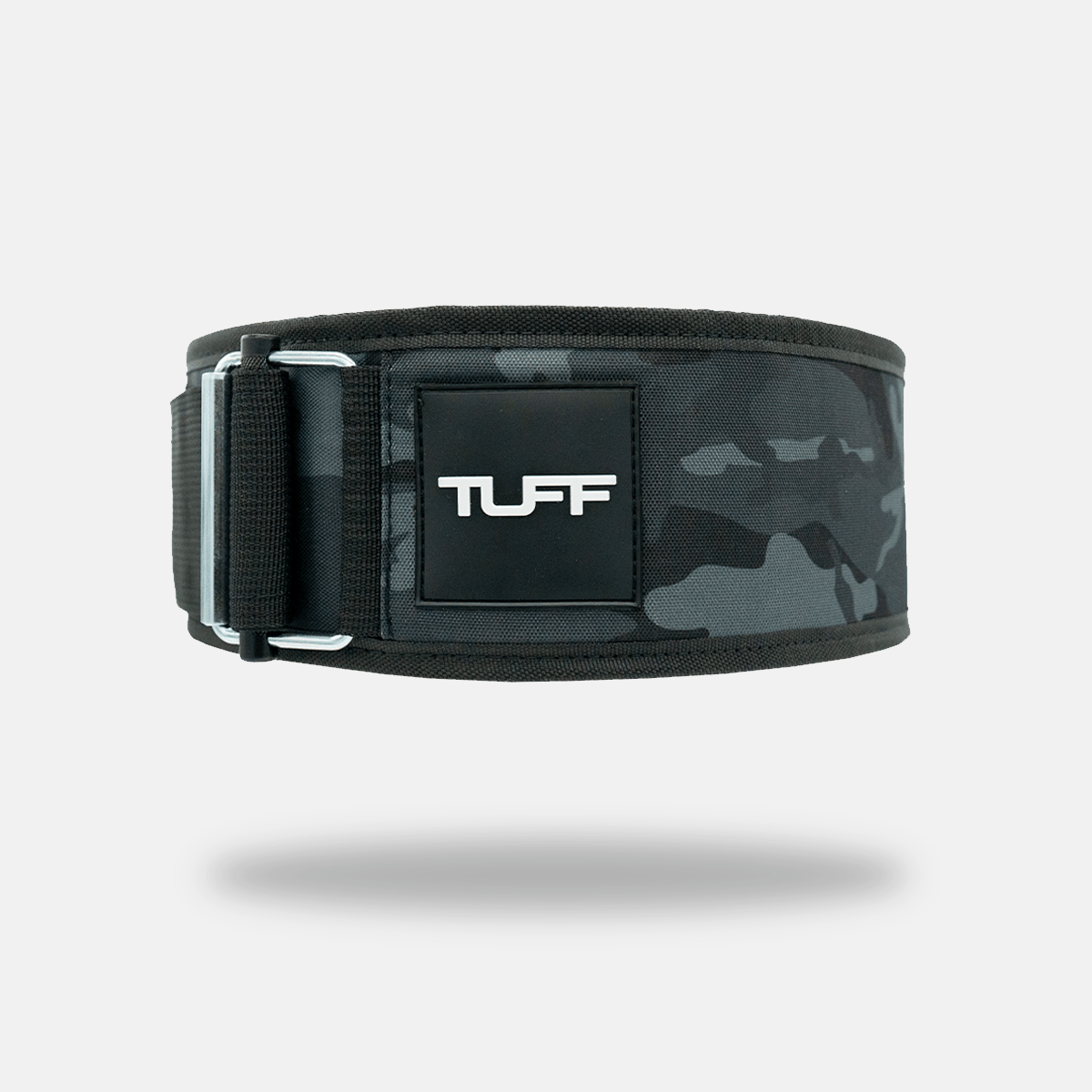
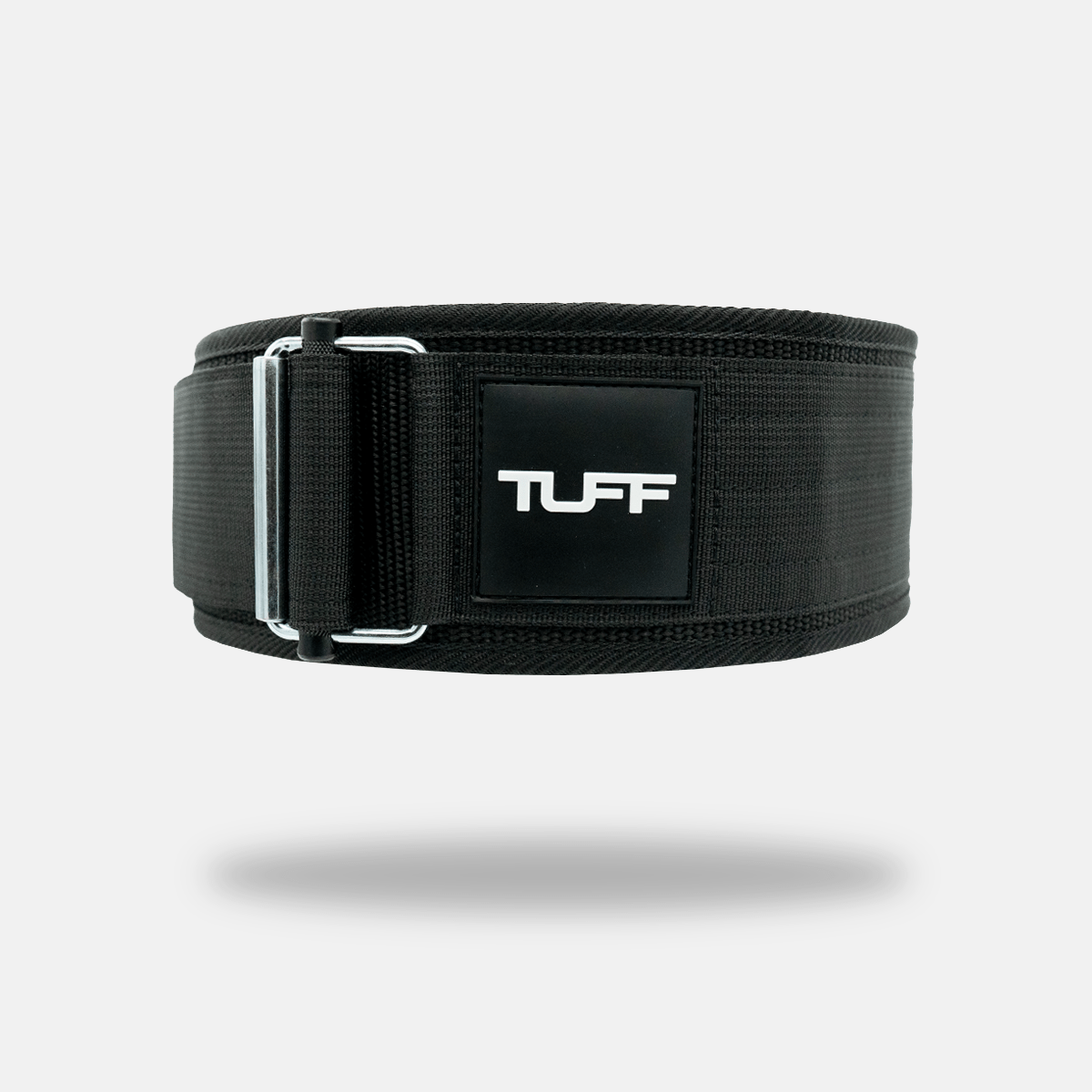
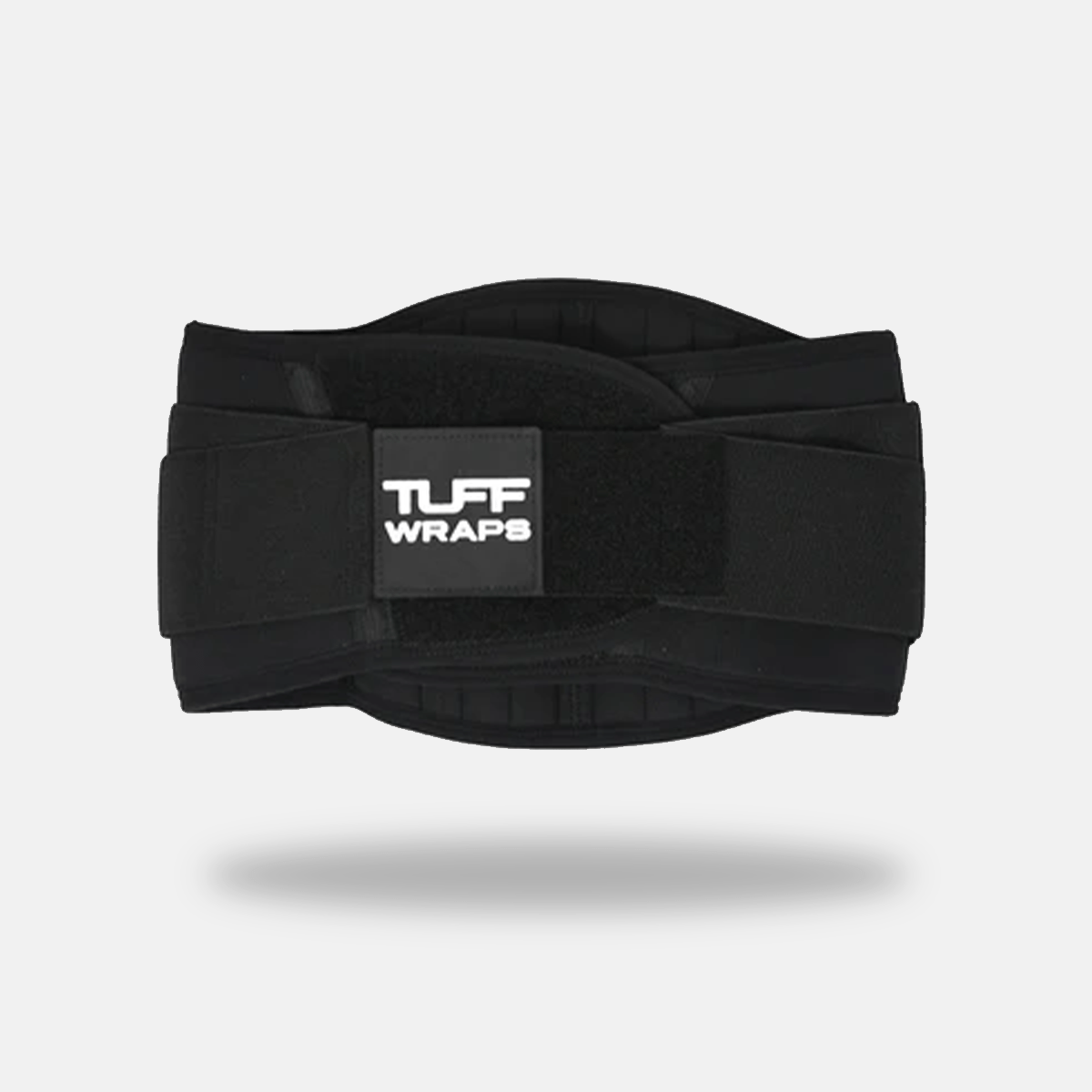
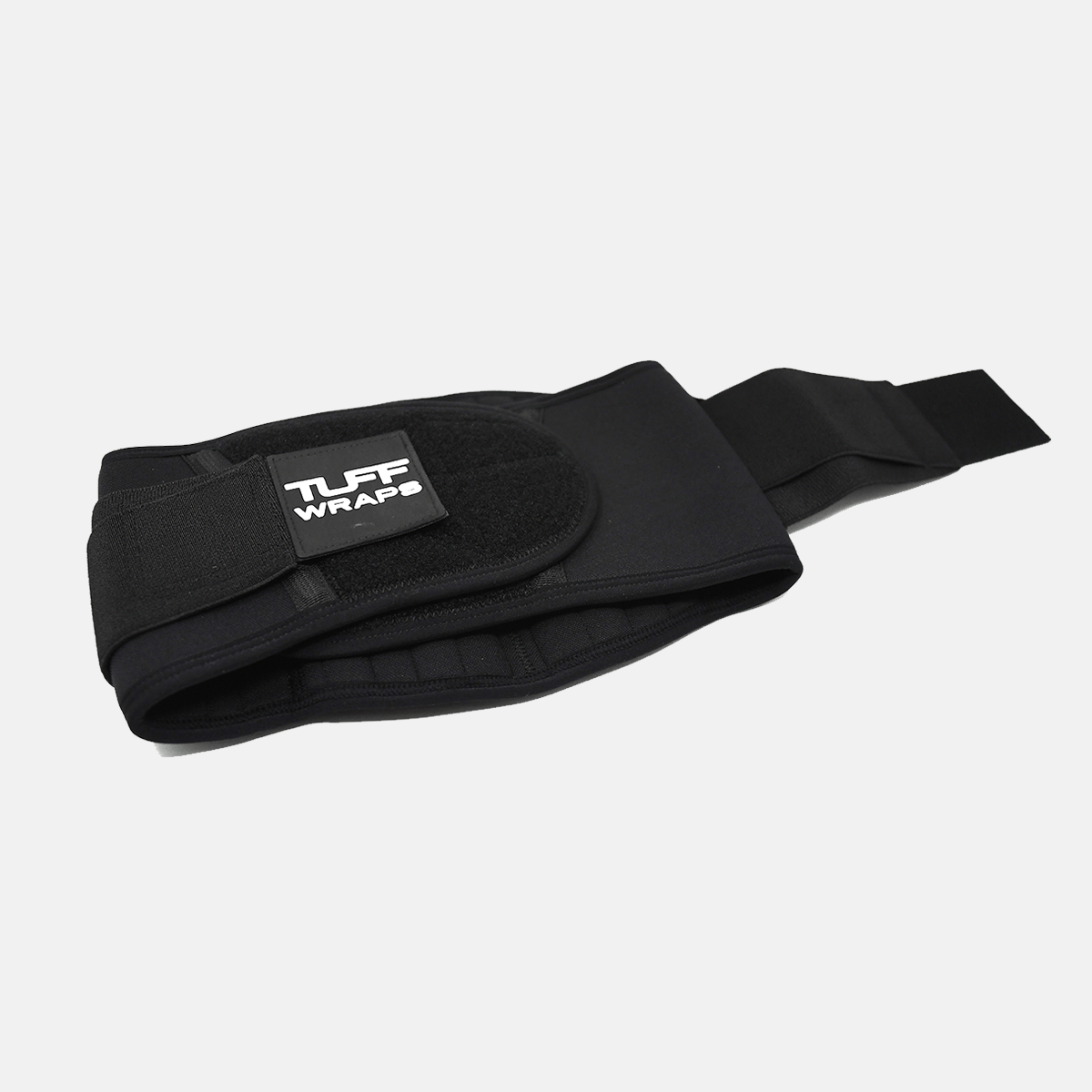
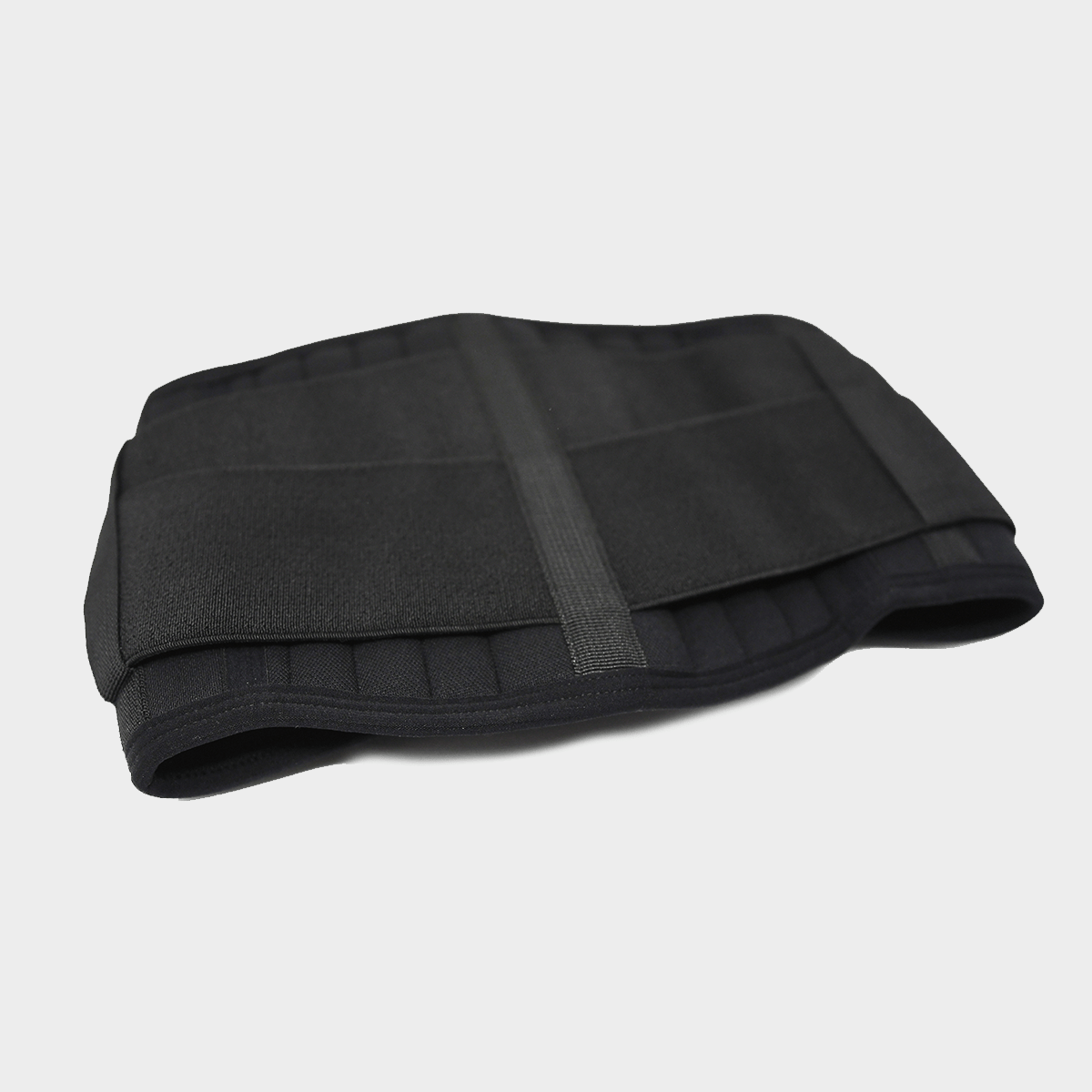
What is a soft lifting belt and who should use one?
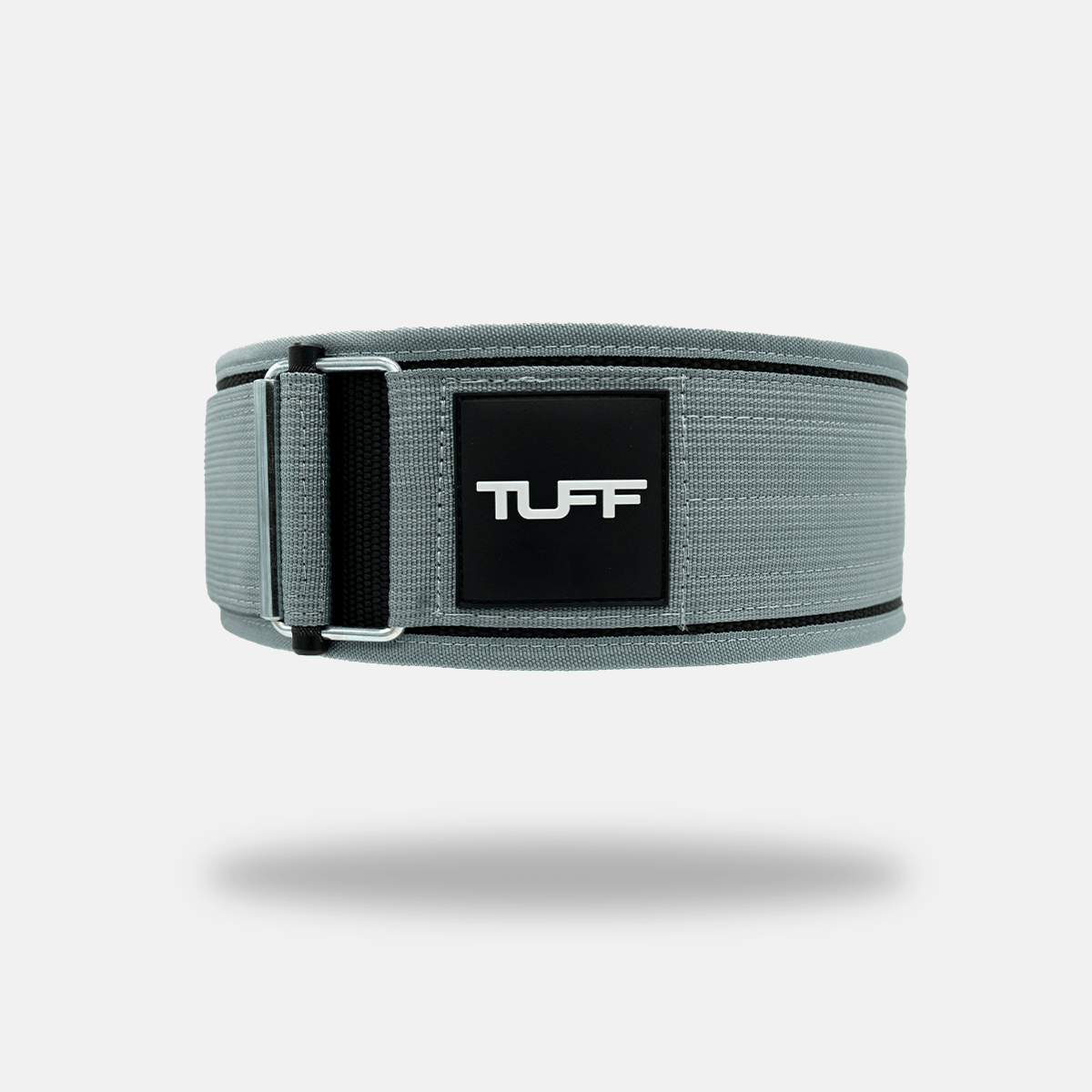
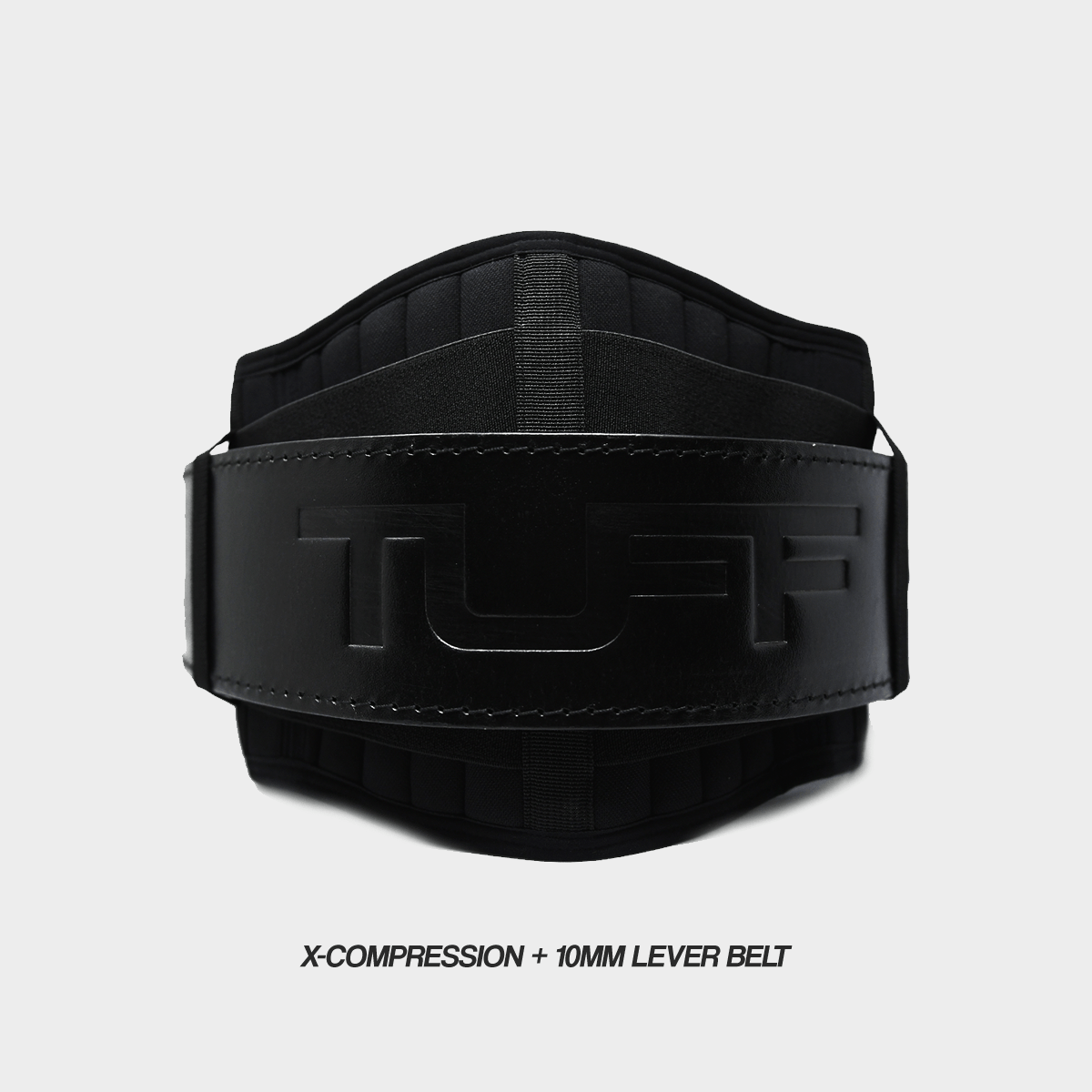
A soft lifting belt provides core support using flexible materials like nylon or neoprene instead of rigid leather. They're ideal for beginners learning proper bracing technique, CrossFit athletes who need mobility, and lifters who want support without the stiffness of powerlifting belts. Soft belts allow more natural movement while still providing feedback for core engagement. They're also more comfortable for high repetition training sessions. Many lifters use them for general training while reserving leather belts for maximum efforts. Check our lifting belts and weightlifting options.
What is the difference between a soft belt and a leather belt?
Soft belts use flexible materials that conform to your body during movement. Leather belts are rigid and provide maximum support for heavy lifting. Soft belts allow more natural torso movement during exercises. Leather belts create a solid surface to brace against for maximum weights. Soft belts are more comfortable for extended wear and high rep training. Leather belts excel for powerlifting and maximum effort sets. Choose based on your training style and support needs. Browse powerlifting belts and general options.
Is a soft belt good for CrossFit and general training?
Yes, soft belts are excellent for CrossFit and general training because they provide support without restricting movement. They're perfect for high rep squats, overhead work, and complex movements that require torso mobility. The flexible construction adapts to different exercise positions while still providing core support feedback. Many CrossFit athletes prefer soft belts because they don't interfere with movements like burpees or rope climbs. They're also more comfortable during long training sessions with varied movements. Check our CrossFit gear and training equipment.
Can I use a soft belt for squats and deadlifts?
You can use soft belts for squats and deadlifts, especially at moderate weights or for high volume training. They provide core support and bracing feedback without the rigidity of powerlifting belts. For maximum effort singles or competition lifting, leather belts typically provide better support. Soft belts work well for technique work, volume training, and learning proper bracing patterns. Many lifters use soft belts for their general training and switch to leather belts for heavy singles. Read our guide on squatting and deadlifting and browse powerlifting options.
How do I choose the right size soft lifting belt?
Measure your waist at the narrowest point, typically just above your hip bones. Soft belt sizing is usually based on waist circumference with adjustable closures for fine tuning. Most soft belts offer size ranges rather than exact measurements because of their flexible construction. Choose a size that allows proper adjustment without maxing out the closure system. The belt should be snug during use but not uncomfortable between sets. When in doubt, consult sizing charts or contact customer service. Browse our belts and sizing options.
Are soft belts approved for powerlifting competitions?
Some powerlifting federations allow soft belts while others restrict competition to leather belts. Rules vary by organization, so check your specific federation's equipment regulations before competing. Most serious powerlifters use leather belts for competition because they provide maximum support for heavy attempts. Soft belts are more commonly seen in general weightlifting and CrossFit competitions. If you plan to compete in powerlifting, invest in a federation approved leather belt for consistency between training and competition. Read about finding competitions and browse competition belts.